Centaurus: Difference between revisions
No edit summary |
|||
| Line 1: | Line 1: | ||
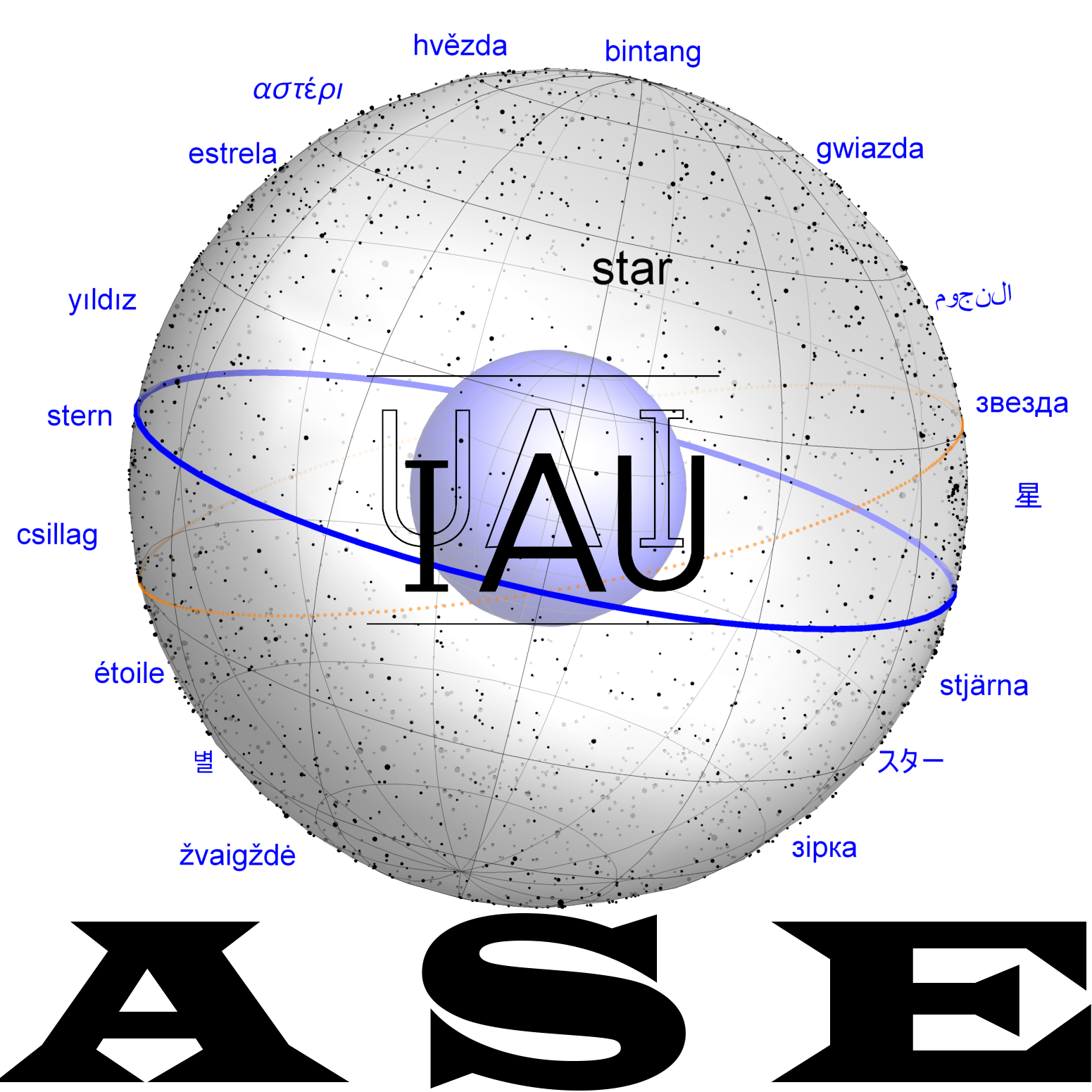
[[File:Centaurus IAU.svg|alt=star chart|thumb|IAU star chart (CC By: IAU and Sky & Telescope magazine, Roger Sinnott & Rick Fienberg)]] |
|||
One of the [https://xing.fmi.uni-jena.de/mediawiki/index.php/Category:88_IAU-Constellations 88 IAU constellations]. |
One of the [https://xing.fmi.uni-jena.de/mediawiki/index.php/Category:88_IAU-Constellations 88 IAU constellations]. |
||
==Etymology and History== |
==Etymology and History== |
||
The Greek constellation is possibly derived from a Babylonian one. There were several centaur-like creatures and other mixed man-animal beings in Mesopotamian culture; |
The Greek constellation is possibly derived from a Babylonian one. There were several centaur-like creatures and other mixed man-animal beings in Mesopotamian culture; seal imprints and reliefs witness them. |
||
Revision as of 10:59, 23 August 2024
One of the 88 IAU constellations.
Etymology and History
The Greek constellation is possibly derived from a Babylonian one. There were several centaur-like creatures and other mixed man-animal beings in Mesopotamian culture; seal imprints and reliefs witness them.
Origin of Constellation
Transfer and Transformation of the Constellation

Jessica Gullberg's impression of the Babylonian constellation UR.IDIM (The Mad Dog) in Stellarium 2021.

Centaurus et Lupus on the ancient Greek Kugel Globe, drawing by SMH 2021.
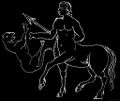
Centaurus et Lupus on the ancient Greco-Roman Farnese Globe, drawing by SMH 2017.
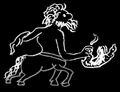
Centaurus et Lupus on the ancient Roman Mainz Globe, drawing by SMH 2021.
- Centaurus et Lupus - Mercator.jpeg
Centaurus and Lupus constellations from the Mercator celestial globe 1551 (CC0).
- Uranometria Centaurus.jpg
Centaurus as drawn by Joh. Bayer (1603) and Lupus drawn by the user of this exemplar of the atlas (extra map for Bayer).